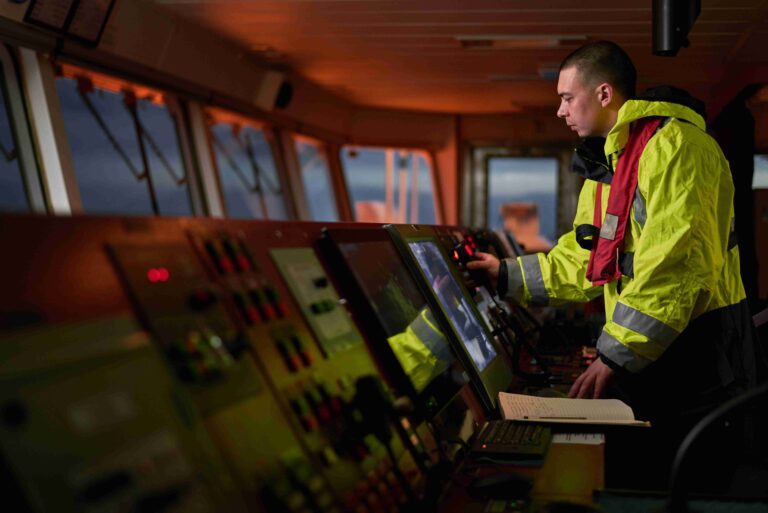
For most manning teams, compliance readiness is a scramble: someone pulls certificates, cross-checks expiry dates, and hopes nothing lapses before the next Port State Control inspection. That approach worked when fleets were small. It breaks down fast at scale, and the cost of getting it wrong — a detained vessel, a fined operator, a stranded crew change — is measured in days and dollars, not paperwork.
Readiness as a standing state, not a scramble
ManningFlo was built around a simple premise: compliance status should be something you always know, not something you go looking for. Every certificate, medical record, and endorsement tied to a seafarer is validated the moment it enters the system, and every vessel carries a live readiness score that reflects the crew currently assigned to it.
That shift — from periodic audit to continuous state — is what lets fleet managers walk into a Port State Control inspection with confidence instead of a folder of printouts.
What changes when AI runs the checking
AI-native doesn't mean a chatbot bolted onto a spreadsheet. It means the platform itself understands maritime documentation: STCW endorsements, flag-state requirements, medical certificate validity windows, and the relationships between them. When a document is uploaded, the system reads it, extracts the relevant fields, and reconciles them against the requirements of the vessel and flag the seafarer is assigned to.
- Automatic expiry tracking across every certificate type, with escalating alerts well before a lapse becomes a compliance gap.
- Fleet-wide readiness dashboards that show exactly which vessels are exposed and why, not just an aggregate score.
- Document validation at the point of intake, catching mismatched names, expired stamps, and missing endorsements before they become a problem at the gangway.
- Audit trails built in from day one, so answering a flag-state or class query is an export, not an investigation.
A single detained vessel can cost more than a year of manning software. Continuous compliance readiness isn't a nice-to-have — it's the cheapest insurance a fleet manager can buy.
Built for the reality of crew turnover
Fleets don't sit still. Crew change on rotation, seafarers move between vessels and even between manning agencies, and every one of those moves resets the compliance question. ManningFlo treats readiness as something recalculated in real time as crew composition changes, so a fleet manager never has to manually re-verify a vessel just because a rotation happened.
That's the difference between software that stores documents and software that actually runs the hiring-to-deployment lifecycle. One of the world's largest ship managers now runs its global fleet on exactly this model — modernising crewing technology so that readiness is a fact of the system, not a task on someone's to-do list.